Cape Santiago Lighthouse: A Timeless Beacon in Calatagan
- motonomadoutdoors
- Apr 12
- 2 min read


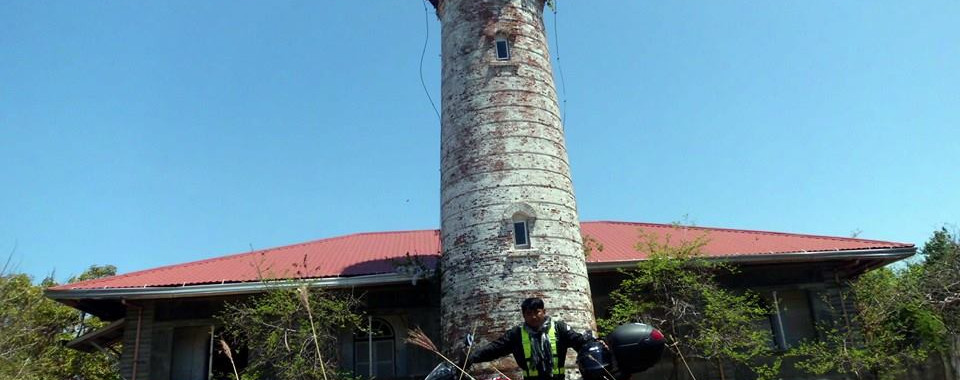
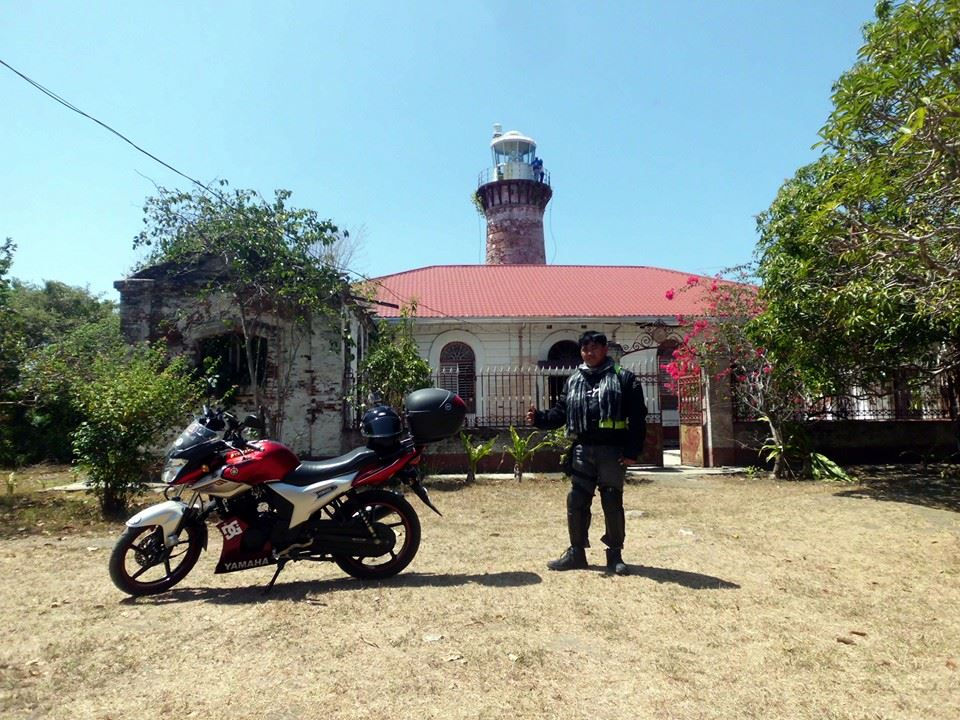
Standing proudly on the shores of Calatagan, Batangas, the Cape Santiago Lighthouse—also known as Punta de Santiago or Faro de Punta Santiago—is the oldest surviving structure in the area. Built in the 1890s during the Spanish colonial period, this red-brick tower rises 51 feet (16 meters) high, modeled after medieval European castles. Its enduring presence makes it not only a navigational guide but also a cultural landmark.



A Lighthouse with Many Names
Locals and visitors alike may call it Cape Santiago, Punta de Santiago, or Faro de Punta Santiago. Regardless of the name, all point to the same historic lighthouse that has watched over Balayan Bay for more than a century.
The name Santiago honors Don Santiago Zobel, the landowner who generously donated one hectare of property for its construction. Work on the lighthouse began under Magin Pers y Pers on December 15, 1890, and was later completed by Guillermo Brockman.

Architecture and Design
What sets Faro de Punta Santiago apart is its unique round shape. Originally coated in white paint, the lighthouse follows the classic plan of a tower accompanied by service and annex buildings, all enclosed within a fenced courtyard. Inside the annex are four living rooms, while the tower itself rises at the back, commanding attention with its height and form.




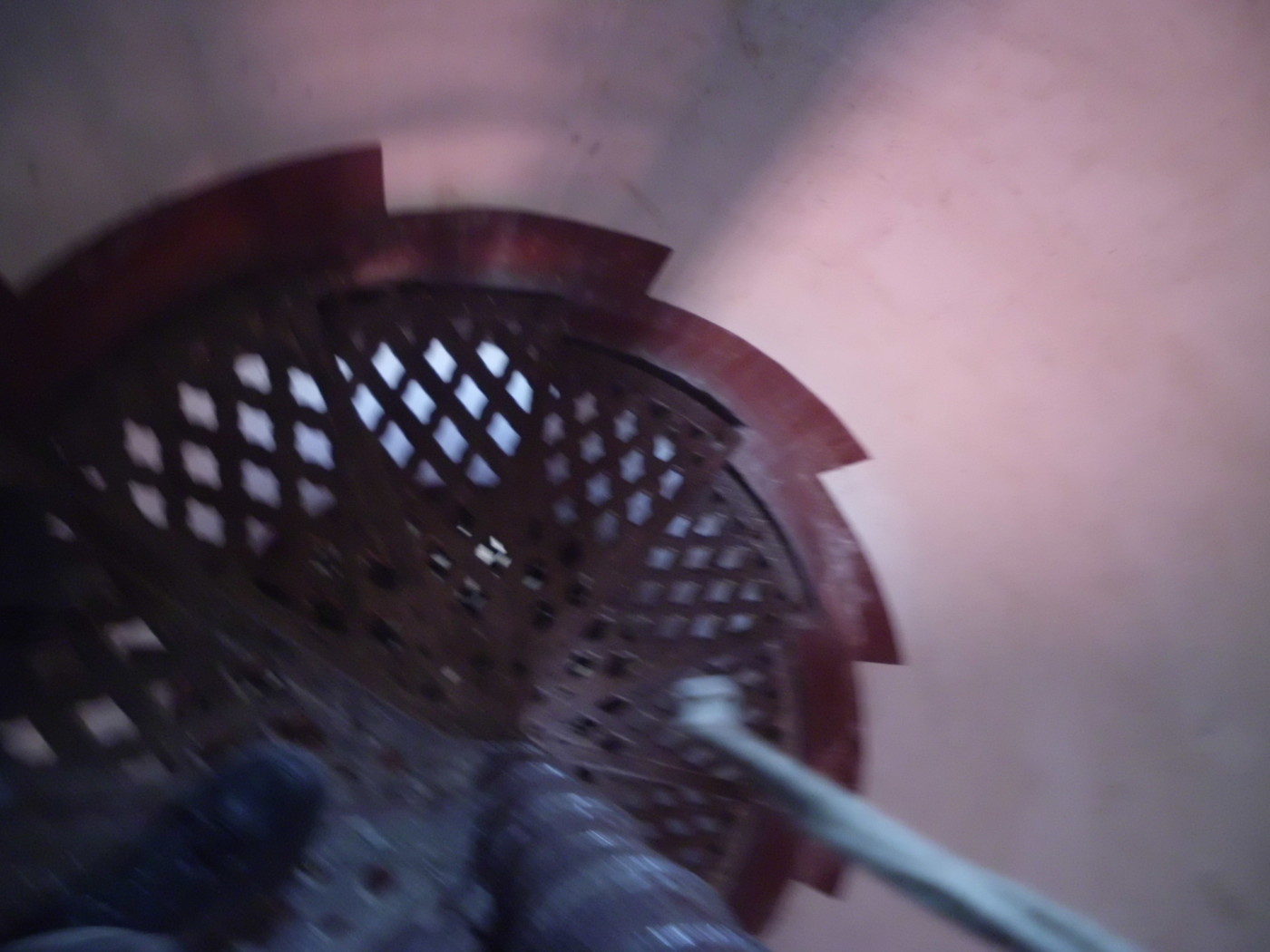
Step inside, and you’ll immediately sense its age. The interiors are built of brick and hardwood panels, with a cast-iron spiral staircase of 65 steps leading to the top. Each step carries the weight of history, guiding visitors upward to sweeping views of the sea.




A View to Remember
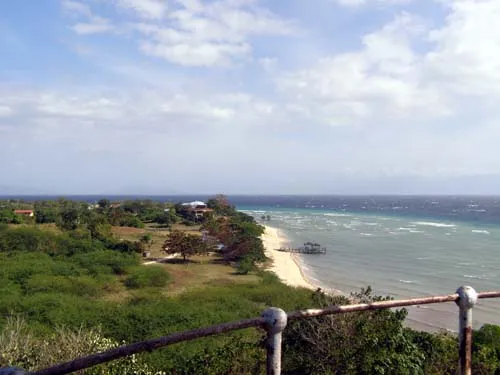
Behind the lighthouse lies an open rectangular yard that opens up to a breathtaking panorama of Balayan Bay. The contrast of the historic structure against the vast seascape creates a scene that feels timeless—where heritage and nature meet in harmony.




Comments